Colorado Boulevard BRT Community Meeting Recap
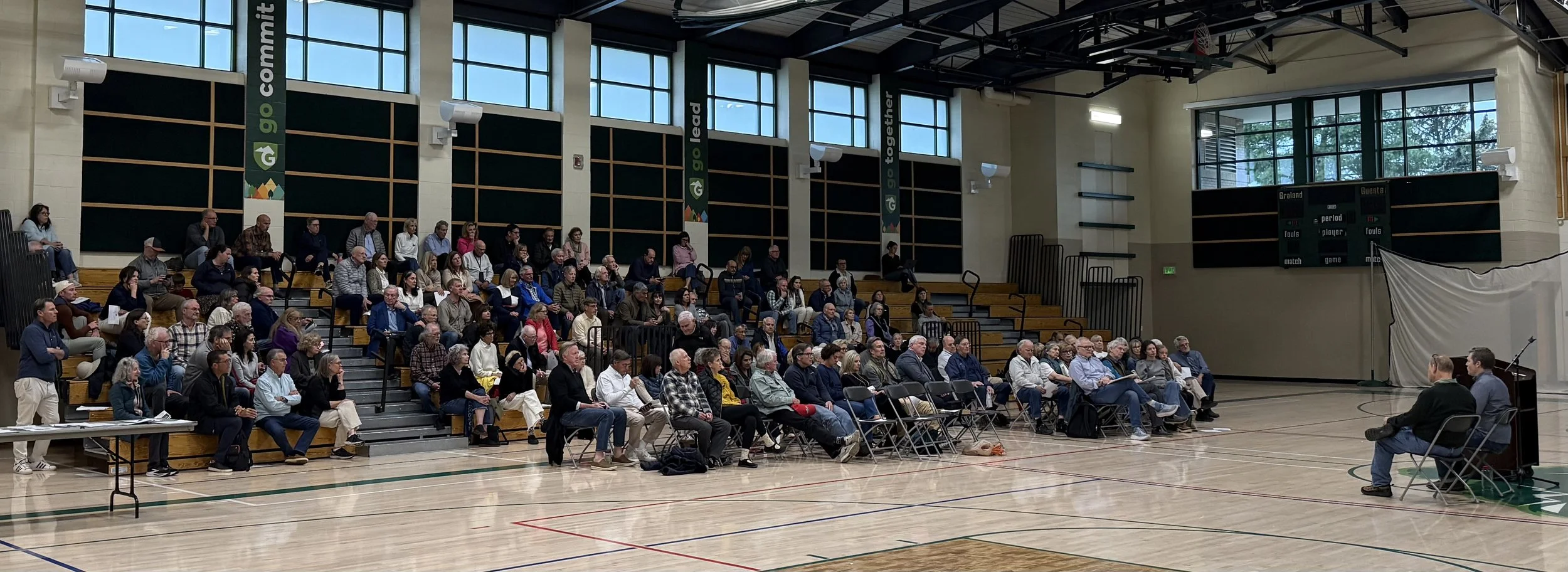
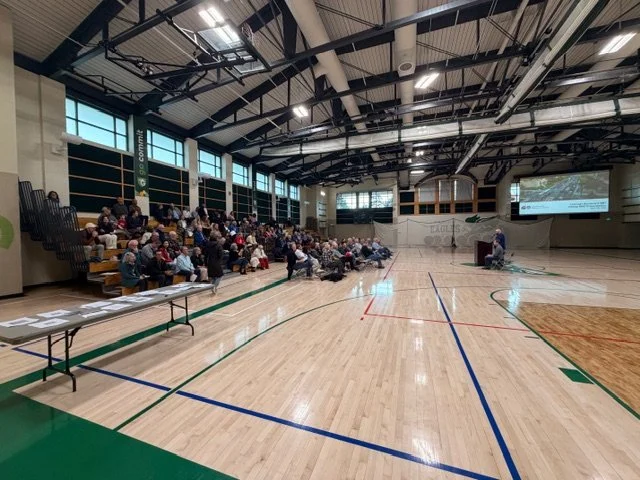
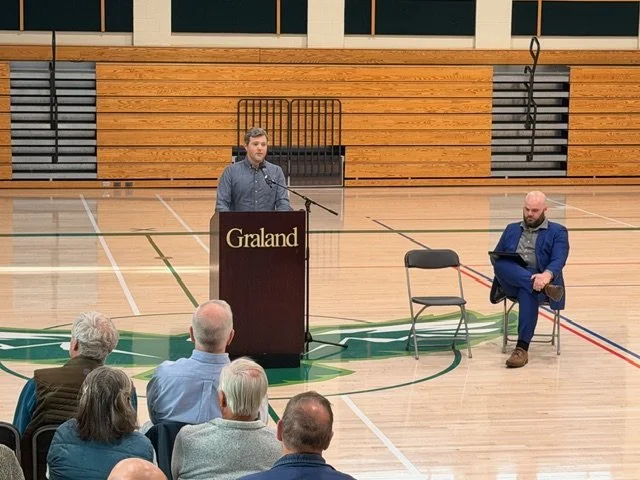
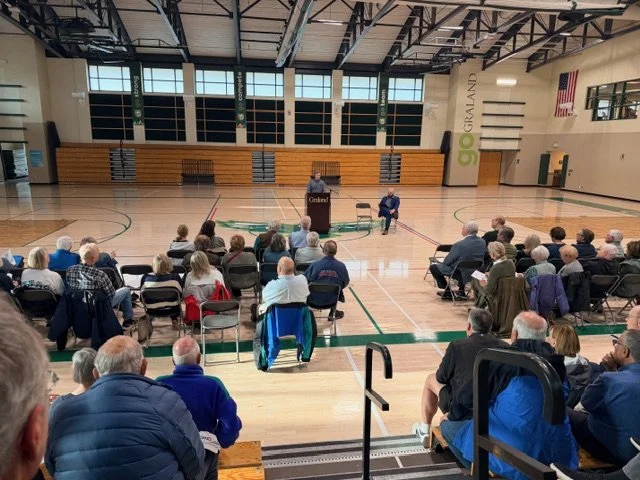
Last night, residents gathered to discuss the future of the Colorado Boulevard Bus Rapid Transit (BRT) project. This project represents a significant shift in how one of our city’s most critical corridors functions, and the level of engagement from the Hilltop community was outstanding.
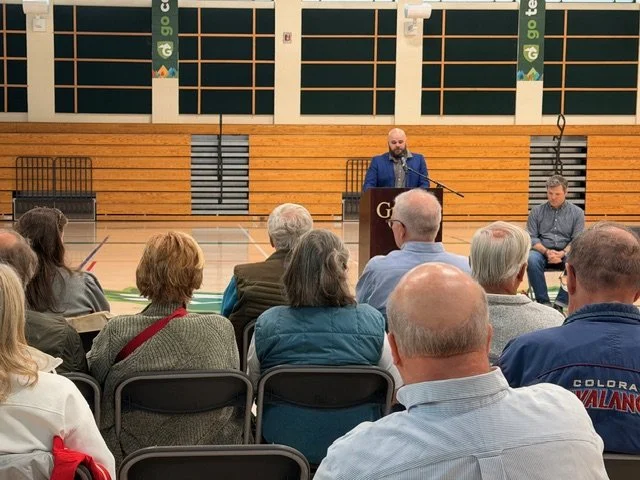
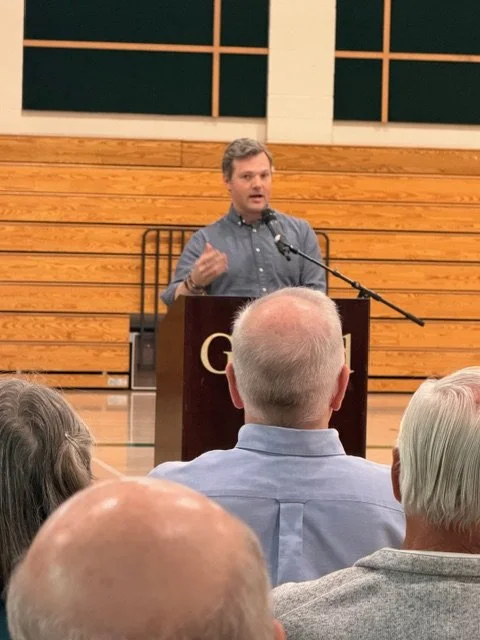
We would like to again thank Graland Country Day School for hosting us and CDOT for presenting the project details and listening to our community's feedback. Below is a summary of the evening’s discussion and the roadmap for what comes next. We also ask you consider reply to our community survey to give the board guidance as we continue conversations with CDOT
CDOT Project Presentation
CDOT representatives outlined three primary design options currently under consideration. The presentation began with a look at the corridor's projected growth and the challenges of maintaining the status quo:
Population Growth: The population along the corridor is projected to increase by 52% by 2050. (per DRCOG)
Worsening Congestion: Without changes, travel times are expected to worsen by 35% in the morning and 25% in the evening, adding at least 5 minutes to peak travel times.
Core Objectives: CDOT aims to increase mobility while maintaining efficient travel times, limiting property impacts, reducing infrastructure costs (such as new bridges or retaining walls), and preserving resident access.
Design Alternatives & Impacts
CDOT evaluated three primary alternatives based on performance (transit and vehicle), overall traffic, cost, and agency support:
Alternative 1 Mixed Flow: In this scenario, the Bus Rapid Transit (BRT) vehicles would share existing lanes with all other traffic.
Performance: This option is projected to improve transit travel times by up to 25% compared to the "No Build" scenario, while maintaining normal travel times for personal vehicle travel.
Traffic: Nominal traffic impacts that align with the no build scenario (increased travel time of approximately 5%)
Cost: CDOT has gauged this as “moderate” at approximately $200-$250 million.
Agency Support: This has good agency support.
Alternative 2 Side Running: In this scenario, the Bus Rapid Transit (BRT) vehicles would have a dedicated lane, with two “through lanes” for vehicle travel and right turns allowed in the bus only lanes.
Performance: This option is projected to improve transit travel times by up to 30% compared to the "No Build" scenario, but could cause up to x1.4 longer travel times for personal vehicles.
Traffic: Moderate traffic impacts that align with intersection impacts up to 15%.
Cost: CDOT has gauged this as “moderate” at approximately $200-$250 million.
Agency Support: This has good agency support.
Alternative 3 Center & Side Running: In this scenario, the Bus Rapid Transit (BRT) vehicles would have a dedicated center lane, similar to the Colfax BRT, in some areas, and side running in others. Personal vehicles would have two through lanes of travel.
Performance: This option is projected to improve transit travel times by up to 35% compared to the "No Build" scenario, but could cause up to x2 longer travel times for personal vehicles.
Traffic: Major traffic impacts that align with intersection impacts up to 20%.
Cost: CDOT has gauged this as “high” at approximately $300-350 million.
Agency Support: This has very poor agency support.
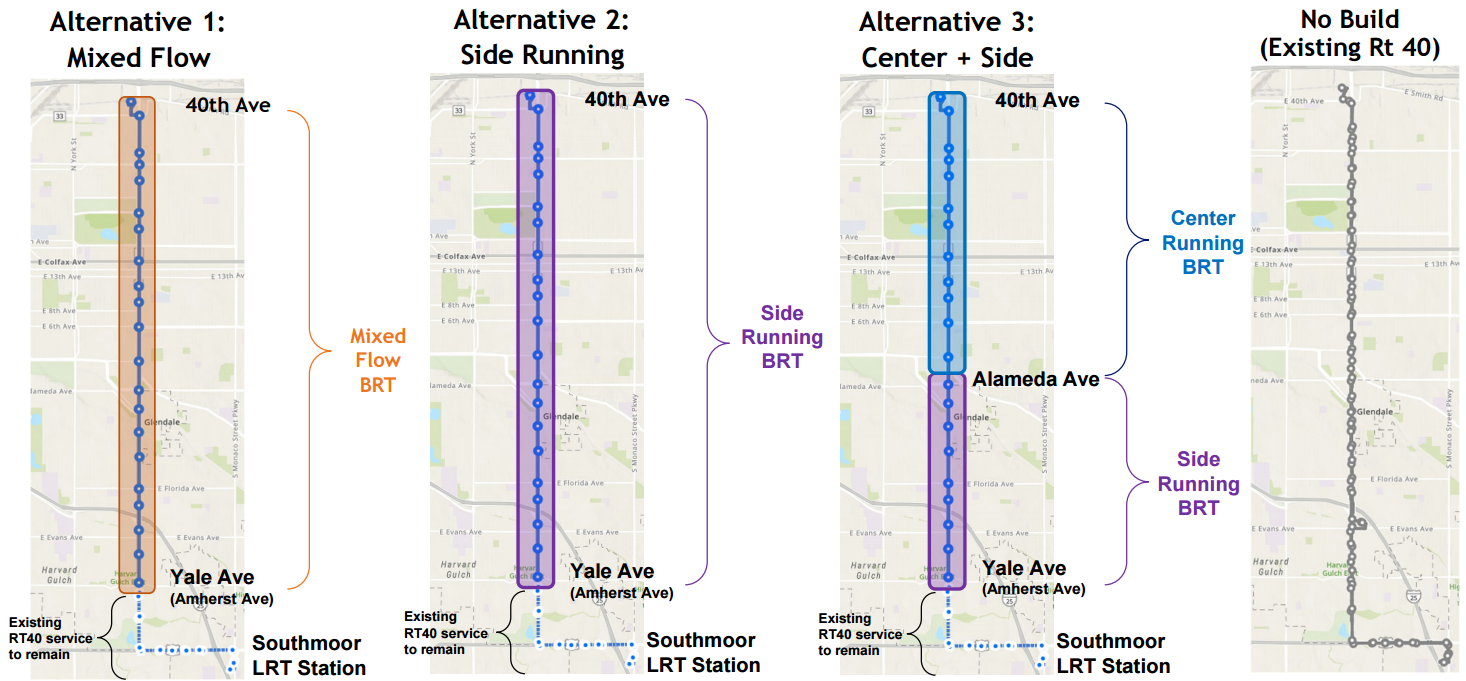
The three BRT alternatives, and current Rt 40 bus service.
Additionally, CDOT shared an approximate timeline. The project team hopes to have a Locally Preferred Alternative (LPA), which guides project decision making, by summer 2026. While they shared there is possibility for this timeline to change, they are committed to beginning construction in 2030 if possible.
Community Q&A: Addressing Our Concerns
The Q&A session allowed residents to provide CDOT with critical context regarding local priorities. Key themes included:
Traffic & Side Street Impacts: There is significant concern regarding "cut-through" traffic on residential streets, particularly with Alternatives 2 and 3. CDOT committed to working with city partners to identify high-traffic areas and find infrastructure solutions once plans are finalized.
Right of Way (ROW) & Sidewalks: Neighbors inquired about the impact of wider sidewalks and improved pedestrian infrastructure. While CDOT cannot yet confirm specific property impacts, they aim to minimize needs (approximately 5 feet where required) and have committed to not increasing the curb-to-curb roadway width.
Project Sequencing: Residents questioned why improvements like upgraded signaling and sidewalks couldn't be implemented immediately without a full BRT project. CDOT noted that these are intensive projects that are more efficiently managed as a coordinated group.
Transit Reliability: Concerns were raised about RTD’s ability to maintain promised service intervals. CDOT stated they are actively supporting RTD in route planning and station maintenance to ensure the project goals are met.
Next Steps & Getting Involved
The project is currently in the Alternatives Analysis and Preliminary Engineering phase, targeted for completion in summer 2026. Construction is not projected to begin until 2030. As such, the feedback process remains open, and your voice is essential to ensuring Hilltop's interests are represented.
Submit Your Feedback: If you were unable to attend or have additional thoughts, please complete our community survey. Your input directly influences how our board will work with CDOT on this project. You can also comment directly with CDOT.
Attend the Next Open House: The next open house is May 13th from 5PM to 7PM at Clayton Early Learning Center. Here you can find more details on the technical aspects of the project, as well as provide further feedback to the project team and their partner organizations.
Ongoing Advocacy: The HNA board will continue to meet with project planners to represent the specific interests of our residents.
Stay Informed: We will provide further information and updates as the project moves into it’s next phases.